BONJOUR
The Extraordinary Art of an Ordinary Life
On the quiet rebellion of living a life no one is watching
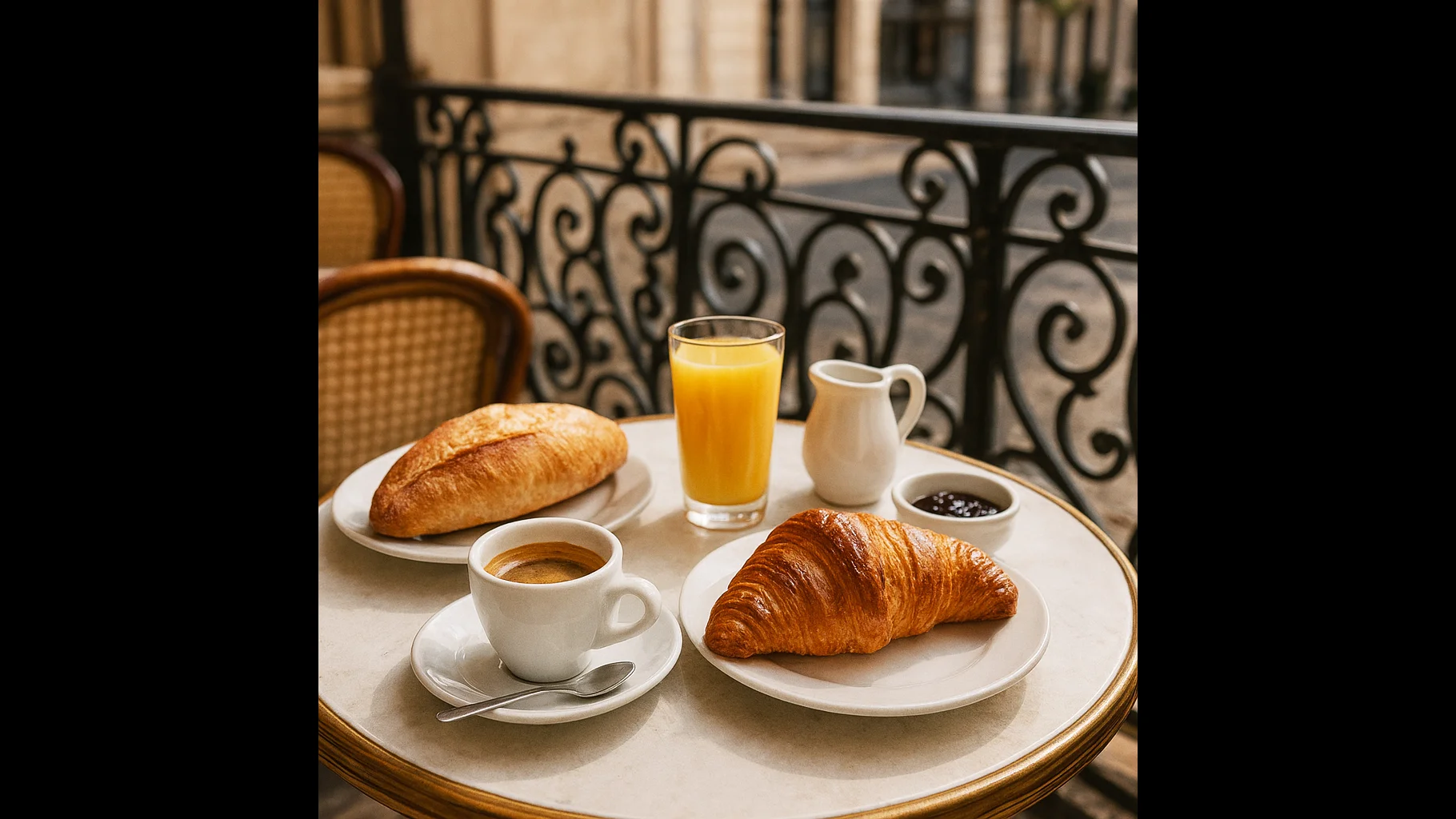
There was a time when no one woke up wondering whether breakfast was interesting enough, whether a walk deserved to be photographed, or whether a quiet afternoon counted as a life well lived. Ordinary was simply another word for existence, and it needed no justification.
Somewhere along the way, we changed the definition. Modern life has become strangely theatrical. We don’t merely live; we curate. We don’t simply enjoy things; we present them. Even happiness now arrives with careful lighting and a caption. And quietly, without quite noticing, we begin to believe that an ordinary life is an unfinished one.
Every digital corner we turn whispers the same relentless command: be exceptional, be curated, be unforgettable. Social media operates as a global talent show, consumer culture markets identity as a product to be constantly upgraded, and the cult of personal branding turns private individuals into public entities. We are not expected to become extraordinary eventually. We are expected to become it constantly.
Someone is launching a company from Bali, running a marathon before sunrise, renovating a farmhouse in Tuscany, or smiling from the deck of a sailboat, announcing they have finally found their authentic selves. Apparently everyone reads obscure philosophy, practices mindfulness, and somehow still has immaculate hair. They summer by Lake Como, near the house of Clooney, and tan on the French Riviera over rosé and grilled shrimp. Women move with the undulating walk of Bo Derek rising from the water in an old James Bond film; men are witty, tanned, and full of brilliant business ideas.
It is exhausting.
The Wi-Fi Is On, But Nobody’s Home
Technology promised to connect us. Mostly, it gave us an audience we never asked for, and turned each of us into a tiny stage. Every meal, every holiday, every private thought can become a performance.
We learn to observe ourselves as though we were our own spectators.
We’ve turned into mini-PR agencies for our own lives. We don’t just eat a waffle anymore; we evaluate its lighting.
We don’t just sit in a café; we stage the book beside the mug so people know we have deep thoughts.
The café stops being a café. It becomes potential content. The holiday stops being a holiday. It becomes proof that we are living well.
This is the root of our strange, modern loneliness. It isn’t that we are alone. It’s that we are trapped in a loop of performing our own existence, watching our lives from the outside, wondering why the spectacular future we were promised feels so hollow.
The unshared meal, the walk where you forgot your phone, starts to feel like a wasted opportunity — as if we are ghosting our own reality in hopes of a digital nod from a stranger named @kiwi_breeze99.
Even the silence starts to feel suspicious, because silence cannot be shared.
In Defense of Worn Shoes and Cold Coffee
When did “ordinary” become an insult? When did just existing, breathing, having a completely unphotogenic Tuesday, become a symptom of failing at life?
Here is the thing worth saying plainly: ordinary is not boring. Boredom comes from not paying attention. Ordinariness is where the good stuff hides — the physical, tactile world, waiting for us to notice it while we’re busy checking notifications.
That lazy, geometric patch of warmth on the kitchen table that the cat always claims first.
Rain against a café window — the perfect excuse to cancel plans you didn’t want anyway, while strangers disappear beneath umbrellas outside. The sound always carries me back, faces and smiles I thought I’d forgotten surfacing without warning.
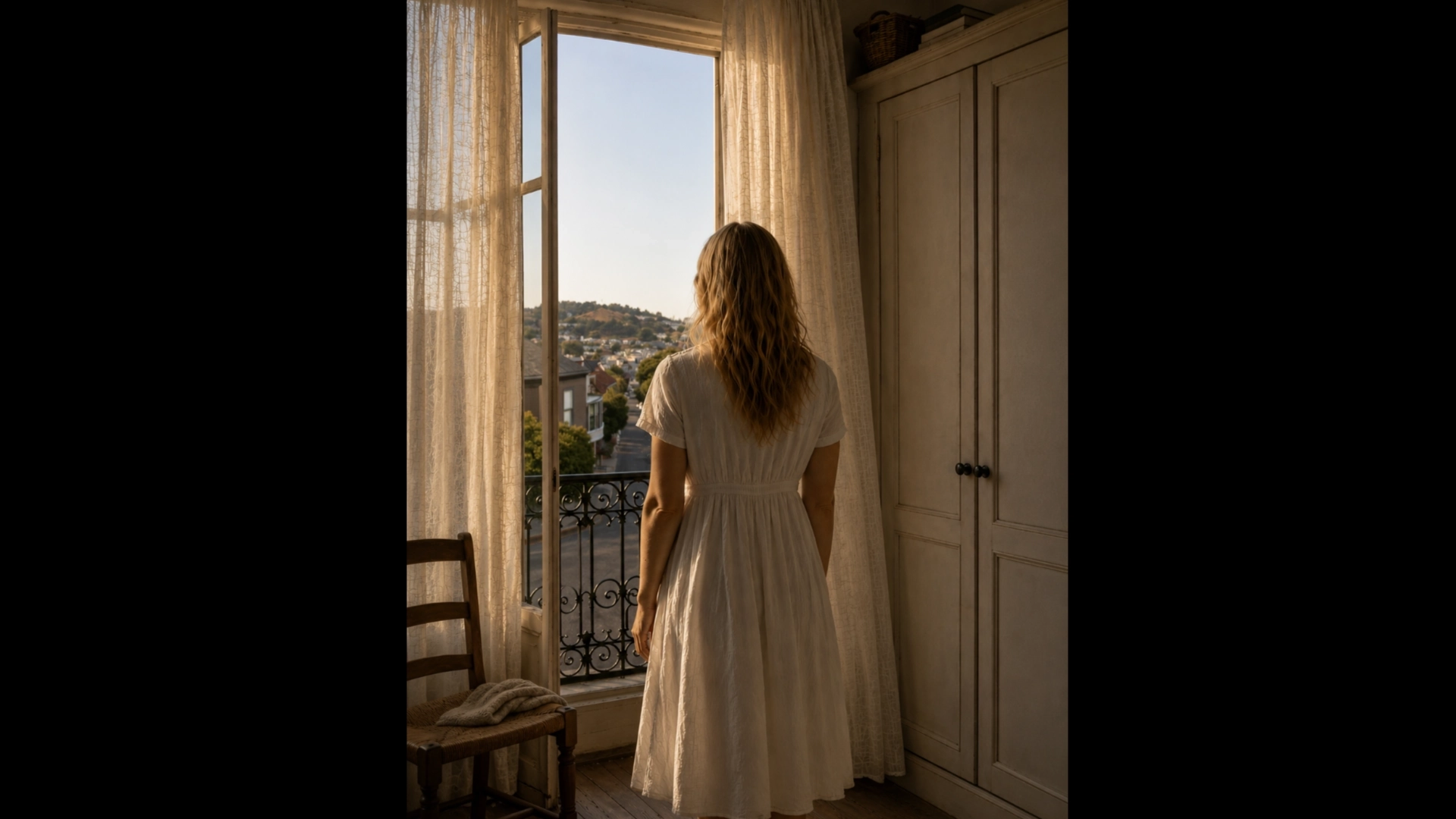
Morning light, I stand at the window, watching the road wind its way down toward the valley far below, and the first ray of sun touches my face as I open my arms and pray.
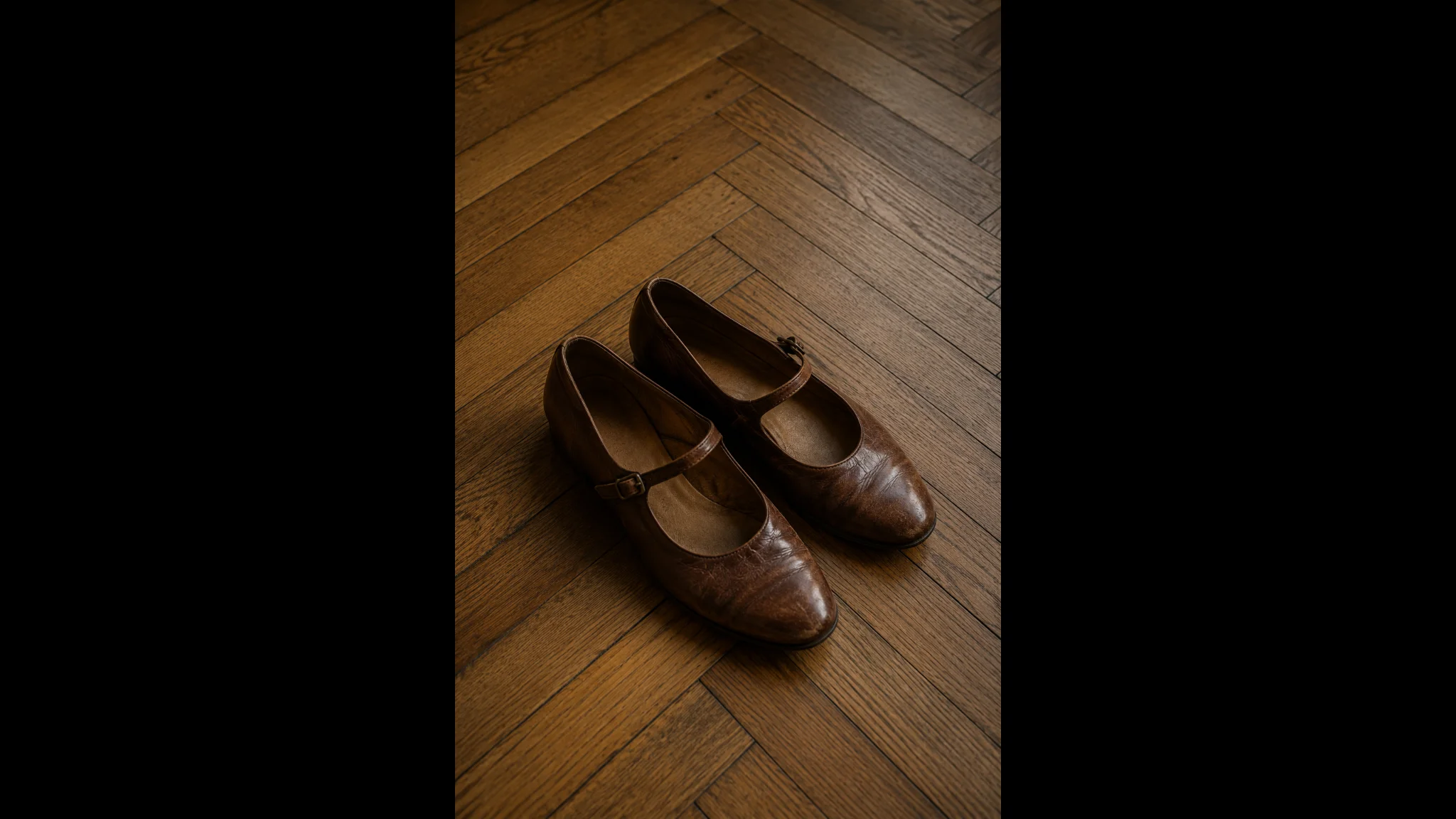
A pair of old shoes by the door, a little tragic to look at, but molded exactly to your feet, knowing precisely how you walk. Laundry on the line, your favorite shirts moving slowly, smelling of wind and cheap lavender detergent.
A stranger reading on a park bench, or alone on a train, entirely absorbed in a silent conversation with a writer who died a century ago.
A notebook lying open, blank pages with no character count, no typo checker, no opinion on politics, only patience for a sentence worth writing. A cup of coffee discovered half an hour later, gone slightly cold, drunk anyway because you’re comfortable enough not to mind.
None of these things have an analytics dashboard. None of them compete for attention. They don’t care about your conversion rate. They simply exist, offering a soft place for the mind to land — and perhaps that is exactly why they feel so comforting.
The Architecture of an Ordinary Life
These are tiny scenes, and they are also the architecture of a life. A child drawing with total concentration. A neighbor watering flowers. An elderly couple arguing gently in the supermarket over which cheese to buy. A dog waiting faithfully outside a bakery. Burnt toast and coffee.
Reading the same page three times because your mind wandered. Staring at a spreadsheet, then staring out the window instead. Calling your parents just to complain about the weather. Drowning the houseplants, then overcorrecting by not watering them for a month. Waiting for a bus that’s four minutes late. Petting a dog that belongs to someone else. Waving goodbye until they turn the corner.
That is life.
These clumsy, sweet, unremarkable moments make up ninety-nine percent of our time on earth. Our lives are not built from extraordinary events. They are built from thousands of almost invisible ones. To spend your whole life waiting for the rare, spectacular peaks means sleepwalking through the beautiful valleys where you actually live.
The Waiting Room We Never Needed
Perhaps the greatest illusion of modern culture is that meaning lives somewhere else — after the promotion, after the next trip, after we become fitter, richer, more interesting, more admired. Life becomes a waiting room.
Yet happiness has a frustrating habit of arriving before we’re ready for it. It shows up while folding laundry. While watching sunlight move slowly across the kitchen floor. While laughing with a friend over something so small neither of you will remember it by next week. It slips quietly into exactly the moments no algorithm would ever recommend.
The Radical Act of Just Being Here
Choosing to love an ordinary life is a quiet, almost hilarious rebellion. It means looking at a world obsessed with more, bigger, faster, and saying: actually, I’m good right here. Not because it rejects ambition, but because it refuses to measure a life by its visibility. It says a quiet afternoon can be enough. That reading a novel instead of documenting the day is not wasted time. That a conversation does not become more meaningful because strangers approve of it. That beauty still exists even when no one presses a heart-shaped button beneath it.
True beauty doesn’t need a spotlight, a ring light, or a caption. It only needs you to show up. Perhaps the most extraordinary thing we can do today is stop apologizing for being ordinary — stop treating our lives as rough drafts waiting for public approval, and understand that meaning rarely announces itself with fireworks. It usually arrives unnoticed: in the smell of coffee, in worn shoes, in familiar streets, in conversations that never become posts.
Not a heavy footprint left on the world, but a quiet heartbeat beneath all its noise — walked through with an open heart, a little humor, and a deep appreciation for the magnificent, messy reality of simply being here.
What if the most rebellious thing left to do is live an ordinary life — unphotographed, uncurated, and entirely unapologetic about it?